
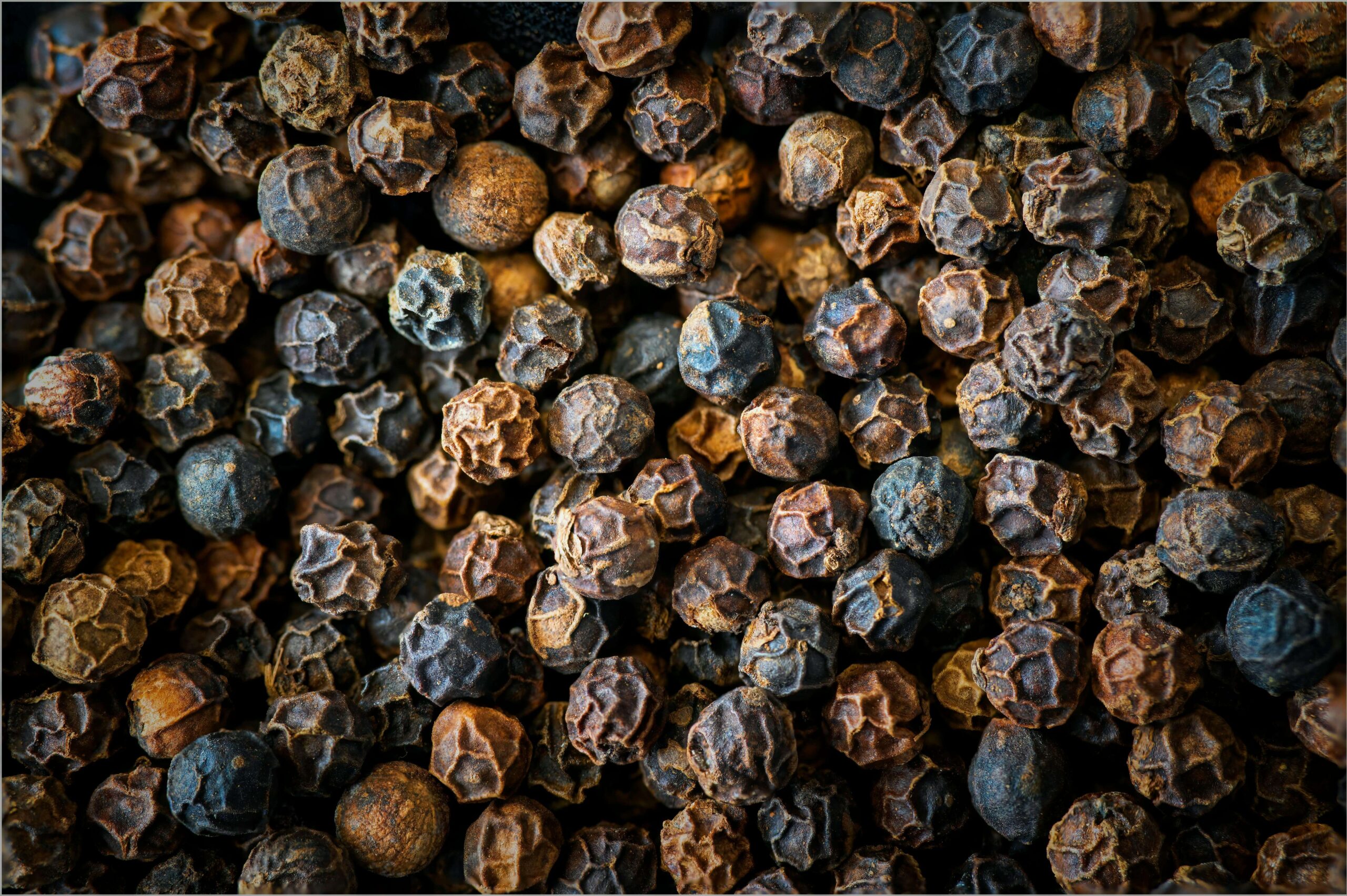
To export black pepper from India, you need to:
(1) Register for an Import-Export Code (IEC) with DGFT,
(2) Source quality pepper from Kerala, Karnataka, or Tamil Nadu,
(3) Obtain FSSAI Spice Board and APEDA certifications,
(4) Find buyers through B2B platforms, and
(5) Prepare export documentation (commercial invoice, phytosanitary certificate, packing list, bill of lading),
(6) Ship via sea or air freight to your buyer’s destination.
Ready to source premium Kerala Black Pepper directly from India?
Our export specialists have helped global buyers and importers connect with trusted Indian spice exporters for high-quality, export-grade spices.. Book a Free Export Consultation 📞 Call / WhatsApp:+91 812-905-0134 (Mon–Sat, 9 AM–6 PM IST)
Introduction: The King of Spices Awaits Your Export Empire
Here’s the thing about black pepper export from India: it’s not just a business opportunity—it’s basically found money if you know what you’re doing. And if you don’t? Well, that’s where this guide comes in (you’re welcome).
Black pepper, affectionately known as the “King of Spices,” has been the MVPreeze (Most Valuable Pepper) of the global spice trade for over 2,000 years. But here’s what makes how to export black pepper from India the hot topic of 2026: supply shortages are driving prices up by 20-25%, and global demand remains as consistent as your morning coffee addiction.
India controls approximately 2,968 registered black pepper exporters serving 10,659 international buyers across 120+ countries. If you’re thinking “that’s a lot of competition,” you’d be right. But it’s also a validation that this market is absolutely booming. The total export value hovers around $300 million USD annually—not chicken feed, my friend.
In this comprehensive guide, we’ll walk you through every step of how to export black pepper from India, from getting your IEC registration sorted (yes, there’s paperwork) to finding your first lucrative international buyer. And if you’d rather skip the trial-and-error phase entirely, our export documentation checklist has you covered from day one.
Understanding the Black Pepper Export Market in 2026
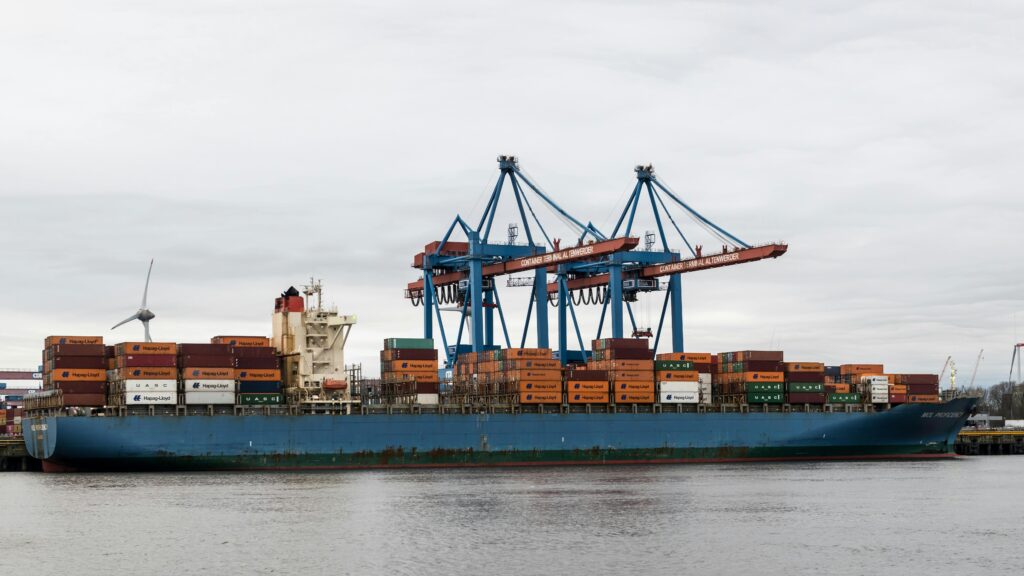
Global Market Overview: The Numbers Don’t Lie
Let’s talk numbers because numbers are beautiful (and they don’t judge your life choices):
- Total Market Value: India’s black pepper export market is valued at approximately $300 million USD annually
- Production Data: India’s production declined from 55,000 MT in 2024 to 46,000 MT in 2025, creating a supply shortage
- Price Impact: This shortage has pushed prices up by 20-25%, from $8,000-$8,500 per ton to $8,500-$9,000 per ton in 2025-26
- Global Production: Vietnam (30%), Brazil, Indonesia, and Sri Lanka also produce black pepper, but India remains the quality leader
- Export Volume: India exported 19,000+ metric tonnes in 2024-25 to over 120 countries
According to data published by the Spices Board of India, black pepper consistently ranks among the country’s highest-value spice exports, with premium grades commanding a significant global premium over competing origins.
What does this mean for you? Right now is genuinely a goldilocks moment—production is tight (good for prices), but global demand is steady. Starting a black pepper export business in 2026 isn’t just viable; it’s potentially lucrative.
Top 10 Countries Importing Indian Black Pepper (2025-26)
| Rank | Country | Why They Buy | Volume Trend |
|---|---|---|---|
| 1 | United States | Highest consumption, premium varieties | ↑ Growing |
| 2 | Germany | Food manufacturing, spice blends | → Stable |
| 3 | United Arab Emirates | Regional hub, re-export markets | ↑ Growing |
| 4 | Japan | Culinary excellence, premium grades | ↑ Growing |
| 5 | Canada | Food processing, organic segment | ↑ Growing |
| 6 | France | Gourmet cooking, pharmaceuticals | → Stable |
| 7 | Vietnam | Blending, re-export | ↑ Growing |
| 8 | Saudi Arabia | Halal markets, food industry | ↑ Growing |
| 9 | Netherlands | European distribution hub | → Stable |
| 10 | United Kingdom | Food manufacturing, retail | → Stable |
Pro Tip: The UAE, USA, and Germany together account for more than 40% of global black pepper imports. If you’re just starting, targeting these markets first gives you the best shot at volume and repeat orders.
Why Black Pepper Export Is Profitable Right Now (Hint: It’s Not Black Magic)
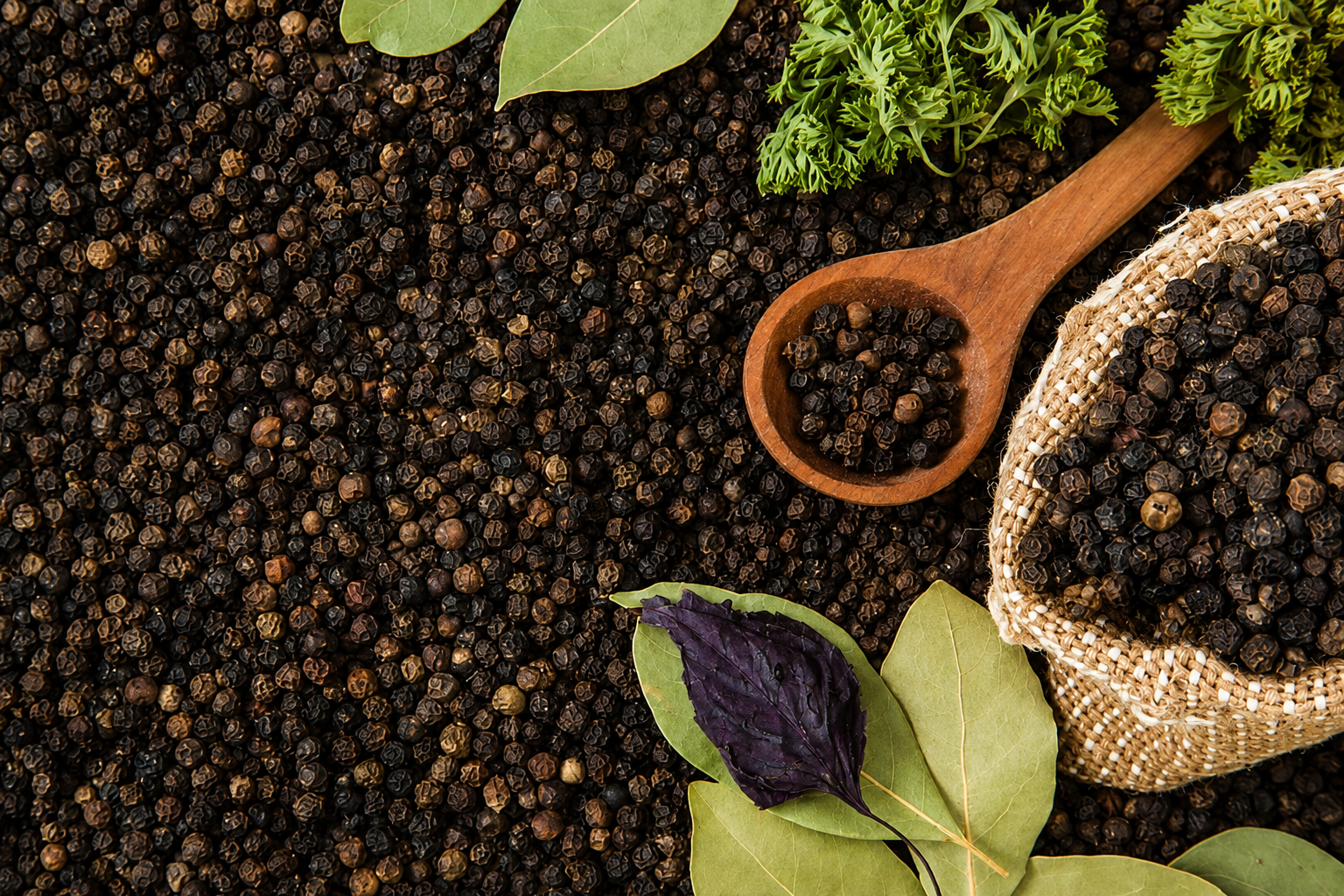
The Profit Margin Reality Check
Before you get too excited (but not less than moderately excited), let’s break down why black pepper export is genuinely one of the most accessible export opportunities:
- Consistent Global Demand: Unlike seasonal products that spike and crash, black pepper is used year-round in households, restaurants, food processing plants, pharmaceuticals, and wellness products
- Premium Pricing Environment: Current shortage has pushed wholesale prices to $8,500-$9,000 per ton. If you can source at $7,500-$8,000 per ton and sell at current market rates, you’re looking at decent margins
- Multiple Market Segments:
- Whole black pepper: Premium markets (EU, USA) – higher margins
- Ground black pepper: Food manufacturing bulk – volume play
- Organic black pepper: Specialty markets – even higher margins (20-30% premium)
- Lower Domestic Production: India’s declining production means less local competition and more pressure to export, which benefits exporters who have quality supplies
- Natural & Organic Trend: Global shift toward natural, chemical-free spices benefits Indian producers who meet international standards
Real-World Example: An exporter sourcing at ₹35,000 per quintal (about $420 USD) can export at $8,500 per ton (or $425+ per quintal for whole pepper). While not astronomical, the combination of steady demand and current supply constraints makes this workable.
Step-by-Step: How to Export Black Pepper from India
Step 1: Register for Your Import-Export Code (IEC)
This is your golden ticket to the export club. Without it, you’re not going anywhere.
What it is: The IEC is a unique identification number issued by the Directorate General of Foreign Trade (DGFT) that allows you to legally import and export goods.
How to get it:
- Apply online at the DGFT e-Marketplace Portal
- Register with your PAN (Permanent Account Number)
- Provide business address and contact details
- Processing time: Usually 2-3 working days
- Cost: Free (seriously, it’s free!)
Pro Tip: You don’t need to have an actual office or employees to get an IEC—home-based exporters are legitimate. However, you do need a registered business (sole proprietor, partnership, or company). Our step-by-step IEC registration guide walks you through the entire online application in under 30 minutes.
Step 2: Register with Spice Board/APEDA (Agricultural Products Export Development Authority)
If you’re exporting agricultural products (which pepper is), Spice Board / APEDA registration is non-negotiable.
What Spice Board & APEDA does: They regulate quality, ensure compliance with international standards, and issue quality certificates that buyers expect.
How to register:
- Online RCMC application at DGFT
- Provide IEC, business details, and product information
- Fee structure: Based on export turnover (roughly ₹5,000 – ₹11000 per year) exclusive of taxes for both APEDA and Spice Board
- Processing: 5-7 working days
Why it matters: Spice Board & APEDA certification is your credibility marker. International buyers (especially in developed countries) almost always ask for this. See our full APEDA registration walkthrough for a step-by-step breakdown.
Step 3: Get Your FSSAI License (Food Safety Certification)
The Food Safety and Standards Authority of India requires this for all food products intended for export.
Types available:
- Basic Registration: For businesses with turnover less than ₹20 lakhs (₹2 million)
- State License: For medium-scale operations
- Central License: For exporters
Cost: Approx ₹10,000 depending on your scale
Processing: 10-15 days
What it proves: Your product meets Indian food safety standards, which translates to “safe for international markets.”
Step 4: Obtain Plant Quarantine Certificate
Before you export, the government confirms your pepper is pest-free.
Process:
- Request inspection from the Plant Quarantine Department
- They’ll inspect your stocks/storage
- Costs: Usually included in government fees or minimal charges
- Certificate validity: For the specific consignment
Why: International buyers, especially from EU and USA, won’t accept pepper without this certificate.
Understanding Black Pepper Types for Export
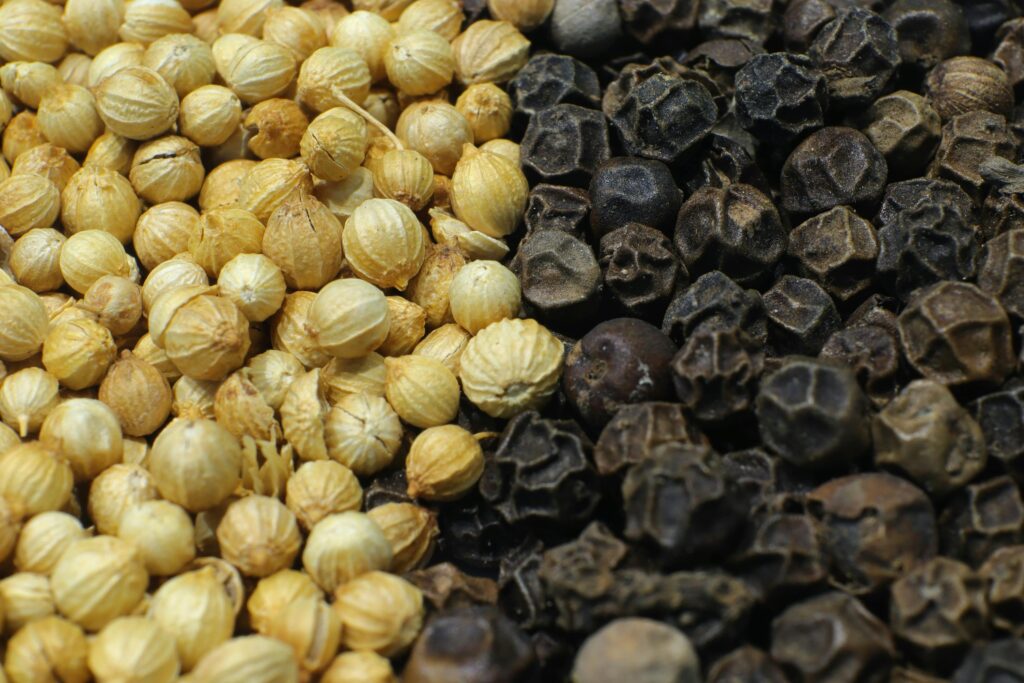
Not all black pepper is created equal. Your choice affects pricing, margins, and buyer interests.
Whole Black Pepper (Premium)
- Description: Unbroken, whole peppercorns
- Best for: Gourmet markets, premium restaurants, food manufacturers wanting freshness
- Pricing: $8,500-$9,500 per ton (highest)
- Key grades:
- Tellicherry: Larger berries (5-6mm), named after the port, premium grade, dark black, aromatic
- Malabar: Standard whole pepper from Malabar region, good piperine content
- ASTA: Standardized grades for international trade
Ground Black Pepper
- Description: Freshly ground or pre-ground pepper
- Best for: Food processing, packaged spice blends, industrial buyers
- Pricing: $8,000-$9,000 per ton (slightly less than whole)
- Mesh sizes: 16 mesh, 20 mesh, 40 mesh (finer = more processing cost)
- Advantage: Consistent particle size, easier for bulk food manufacturers
Organic Black Pepper
- Description: Cultivated without synthetic pesticides or fertilizers
- Best for: Premium EU and USA markets, health-conscious consumers
- Pricing: 30-50% premium over conventional (so $11,000-$13,500 per ton!)
- Certification required: Organic certification from recognized bodies (BCS, Control Union, etc.)
- Margin advantage: Worth pursuing if you can source certified organic
For a deeper breakdown of organic certification requirements, see our organic spice export guide.
Cracked Black Pepper
- Description: Partially broken pepper for specific culinary applications
- Best for: Specialty food manufacturers, premium snack companies
- Pricing: Middle ground ($8,000-$9,000 per ton)
- Niche appeal: Growing demand in premium spice blends
Quality Standards: What International Buyers Actually Demand
Here’s where dreams meet reality. Export quality isn’t “pretty good”—it’s exacting.
Physical Standards
- Moisture Content: Maximum 13% (non-negotiable for most buyers)
- Foreign Matter: Less than 1% (leaves, sticks, insects)
- Color: Dark black for whole pepper, uniform throughout
- Size Uniformity: For graded varieties, consistent sizing
Chemical Standards
- Piperine Content: Minimum 5-6% (the compound that gives pepper its bite)
- Essential Oil: 1-3% for aroma
- Volatile Oil: Required for flavor profile
Microbiological Standards
- Total Plate Count: Less than 10^5 CFU/gram
- E. Coli: Must be absent
- Pesticide Residues: Must comply with EU (0.01 ppm) or US (0.05 ppm) standards
- Heavy Metals: Lead <0.1 ppm, Cadmium <0.05 ppm (varies by buyer country)
Reality Check: These aren’t suggestions. International buyers test before payment, and rejection means lost shipment and reputation damage.
Required Documentation for Black Pepper Export
The paperwork is annoying, but necessary. Think of it as the border guard’s actual job security.
Pre-Export Documentation (Get This First)
- IEC Certificate: From DGFT
- Spice Board APEDA Registration: Certificate of registration
- FSSAI License: Food safety certificate
- GST Registration: (For input-output accounting)
- ICEGATE Registration
- Bank Account with AD Code: For receiving FOREX payments
Export Documentation (With Each Shipment)
| Document | Issued By | Purpose | Notes |
|---|---|---|---|
| Commercial Invoice | Your company | Transaction details, pricing | Essential for payment |
| Packing List | Your company | Contents, weight, packaging details | Helps buyer verify shipment |
| Certificate of Origin | Chamber of Commerce | Proves country of origin | Some buyers require this |
| Phytosanitary Certificate | Plant Quarantine Dept | Confirms product is pest-free | Critical for export |
| Bill of Lading / Airway Bill | Shipping company | Proof of shipment | Legal ownership transfer |
| FSSAI Health Certificate | FSSAI | Product meets safety standards | Required by most countries |
Optional (But Often Required by Buyers)
- Quality Inspection Certificate: Third-party testing results
- Organic Certification: If exporting organic pepper
- Lab Report: Piperine content, microbiological testing
- Fumigation Certificate: If buyer specifically requests
Pro Tip: Many buyers request Certificate of Analysis showing piperine content and test results. Investing in third-party lab testing (₹3,000-₹5,000 per test) pays for itself in buyer confidence. Download our printable export documentation checklist so nothing slips through the cracks.
The Complete Export Process: From Farm to Foreign Port
Phase 1: Sourcing (Week 1-2)
Activities:
- Contact suppliers in Kerala, Karnataka, or Tamil Nadu
- Request samples and quality certifications
- Negotiate pricing (current range: ₹30,000-₹40,000 per quintal = $360-$480 USD)
- Verify their APEDA registrations
- Order samples for lab testing
What to check:
- Moisture content (use moisture meter)
- Visual inspection for foreign matter
- Smell (should be pungent, clean)
- Ask for previous buyer references
Phase 2: Quality Verification (Week 2-3)
Activities:
- Get third-party lab testing for:
- Piperine content
- Moisture
- Pesticide residues
- Microbiological tests
- Compare results against buyer requirements
- Approve or reject supplier based on results
Cost: ₹3,000-₹5,000 per batch
Phase 3: Bulk Purchasing & Processing (Week 3-4)
Activities:
- Purchase full container (20-40 tons) based on buyer orders
- Arrange transport to processing facility (if needed for grinding)
- Clean, dry, and grade pepper
- Repack into export-standard containers
Timeline: 1-2 weeks for processing
Phase 4: Documentation & Compliance (Week 4-5)
Activities:
- Prepare commercial invoice & packing list
- Request Plant Quarantine Certificate
- Arrange third-party inspection (if required)
- Prepare all export documentation
- Submit Bill of Lading to customs
Cost: ₹2,000-₹5,000 in documentation/certification
Phase 5: Shipping & Logistics (Week 5-6+)
Activities:
- Book container with shipping company
- Arrange port loading
- Clear customs (usually 2-3 days)
- Shipping time: 30-45 days by sea, 2-3 days by air
Shipping Options:
- Sea Freight: $3,000-$5,000 per 20-ton container (cheapest, slowest)
- Air Freight: $8-$12 per kg (premium, for urgent orders)
- LCL (Less than Container Load): Partial shipment options available
Phase 6: Payment & Buyer Receiving (Week 6+)
Activities:
- Buyer receives goods, inspects
- Payment transfers (LC, bank transfer, or prepayment)
- Account settlement, invoice generation
- Build relationship for repeat orders
How to Find and Connect with Black Pepper Importers
Finding buyers is where theory meets hustle.
Method 1: B2B Export Platforms
Top Platforms:
- ExportBusinessMart: Indian B2B platform with verified importers
- Alibaba: Global reach, but higher competition
- TradeIndia: Indian exporters/importers
- Global Sources: Electronics-focused but has spice sections
- Trade King: B2B directory with verified buyers
Costs: Free registration, some platforms charge subscription for leads ($50-$300/month)
Time to First Order: 2-6 months typically
See our roundup of top B2B platforms for Indian spice exporters for a platform-by-platform comparison and setup tips.
Method 2: Trade Shows & Export Fairs
Major Events:
- World Spice Congress: Annual international gathering
- SIAL Paris / SIAL India: Food & beverage trade fair
- Anuga Cologne: Germany food trade fair
- BioFach: Organic food trade show
- Regional Spice Expos: In Kerala, Karnataka
Investment: ₹2,00,000-₹10,00,000 depending on booth size and travel
ROI: Can land 5-10 serious buyers per fair
Method 3: Direct Outreach & Email Marketing
Strategy:
- Research importers in target countries (USA, Germany, UAE, etc.)
- Find email addresses via LinkedIn, company websites
- Send personalized introduction emails with product info, certifications, samples
Template Email:
“Dear [Buyer Name],
We are [Your Company Name], a registered APEDA exporter of premium black pepper from Kerala/Karnataka, India.
Our current offerings:
- Tellicherry whole black pepper: Grade A, 5.5-6mm
- Organic certification available
- Bulk quantities: 5-50 tons per container
Current pricing: $8,500-$9,000 per ton (FOB) depending on grade
Would you be interested in a product sample and detailed quotation?
Best regards, [Your Name]”
Success Rate: 2-5% response rate typical, but free to try
Method 4: Export Data & Buyer Directories
Resources:
- Exim Infotech: Indian export-import data
- TradeKey: Global trade database
- Kompass: B2B directory with company details
- Panjiva: Shipment tracking to find actual buyers
Cost: Free-$500/month for database access
Advantage: See who’s actually importing pepper and how much
Challenges in Black Pepper Export (The Honest Part)
Every business has bumps. Here’s what you’ll actually face:
1. Price Volatility
The Problem: Pepper prices fluctuate wildly based on:
- Weather/monsoon patterns in India
- Production in other countries (Vietnam, Brazil)
- Global spice market movements
Current Scenario: Prices jumped 20-25% in 2025 due to shortage. What happens if production recovers? Prices could drop 10-20%.
Solution:
- Use forward contracts with buyers (lock prices 3-6 months out)
- Maintain multiple suppliers to average costs
- Don’t overstock betting on prices going up
2. Quality Consistency
The Problem: Different batches from different farmers can vary in:
- Piperine content
- Moisture levels
- Color/appearance
Buyers reject inconsistent batches.
Solution:
- Work with same farmers repeatedly
- Conduct lab testing on every batch before export
- Implement strict QC processes
- Budget ₹3,000-₹5,000 per shipment for testing
3. Logistics & Shipping Costs
The Problem: Shipping costs directly impact margins:
- Sea freight: $3,000-$5,000 per 20-ton container
- For 20 tons of pepper, that’s $150-$250 per ton in shipping alone
Volatility: Container prices fluctuate 20-40% month to month
Solution:
- Lock freight rates in advance when possible
- Ship in full containers (20+ tons) for better per-unit economics
- Negotiate with multiple shipping companies
4. Documentation & Regulatory Compliance
The Problem: Export requires:
- Plant Quarantine Certificate
- FSSAI Health Certificate
- Phytosanitary compliance
- Different requirements per importing country
Miss one document = shipment gets stuck at port = money lost
Solution:
- Use a customs broker/freight forwarder (cost: ₹5,000-₹15,000 per shipment)
- Create a documentation checklist
- Keep copies of all certifications organized
5. Finding and Managing Buyers
The Problem:
- Buyers often demand credit (Net 30-60 days vs. prepayment)
- Building trust takes time (6-12 months for repeat orders)
- Bad payers exist
Solution:
- Request LC (Letter of Credit) for first orders
- Verify buyer financial health before shipping
- Start with smaller orders ($5,000-$10,000) to build trust
- Use trade insurance for large orders
The Business Math: Your Profit Potential
Let’s be real about numbers:
Small-Scale Export (5 tons per month)
| Item | Amount | Notes |
|---|---|---|
| Source cost (per ton) | $7,500 | At ₹35,000/quintal |
| Export price (per ton) | $8,700 | Current market rate |
| Gross per ton | $1,200 | |
| Monthly gross (5 tons) | $6,000 | |
| Minus: Shipping | -$1,000 | Approx. $200/ton |
| Minus: Documentation & Testing | -$1,500 | Certificates, lab tests |
| Minus: Broker/Customs | -$500 | |
| Minus: Packaging/Miscellaneous | -$1,000 | |
| Net Monthly Profit | $2,000 | Roughly ₹1,65,000 |
Medium-Scale Export (20 tons per month)
| Item | Amount | Notes |
|---|---|---|
| Source cost (per ton) | $7,500 | Volume discount potential |
| Export price (per ton) | $8,700 | Better negotiation power |
| Gross per ton | $1,200 | |
| Monthly gross (20 tons) | $24,000 | |
| Minus: Shipping | -$3,000 | Better rates for full container |
| Minus: Documentation & Testing | -$2,000 | Per ton cost decreases |
| Minus: Broker/Customs | -$1,000 | |
| Minus: Packaging/Miscellaneous | -$2,000 | |
| Net Monthly Profit | $16,000 | Roughly ₹13,20,000 |
Key Takeaway: Profitability scales with volume. Margins are healthy (12-15%) but require consistent sourcing and efficient operations.
What Other Exporters Are Saying
“I went from zero to my first $50,000 export order in 8 months. The registration process seemed daunting, but once broken down step-by-step, it was very manageable.”
— [Rajiv Menon], Black Pepper Exporter, Kerala
“Found three serious German buyers within 4 months using the B2B platform strategy outlined here. The quality consistency advice was genuinely game-changing.”
— [Aditi Shetty], Spice Exporter, Karnataka
“The documentation checklist alone saved me from a potentially rejected shipment. Every new exporter should read this before their first container goes out.”
— [Rajashekaran], Export Entrepreneur, Tamil Nadu
Start Your Black Pepper Export Source Premium Kerala Black Pepper Directly from India
You’ve got the roadmap. Now all that’s left is the first step.
Partner with a trusted Indian spice exporter for high-quality, export-grade Black Pepper sourced from the spice-growing regions of Kerala.
At Spice Of Indian, we support international importers, wholesalers, private label brands, food manufacturers, and distributors with reliable sourcing, quality assurance, export documentation, and global shipping support.
Why Global Buyers Choose Us:
• Export Quality Black Pepper (500GL / 550GL / 600GL)
• EU-Compliant Lab Testing Available
• Custom Packaging & Private Label Support
• Consistent Supply & Competitive Pricing
• Professional Export Documentation
Connect With Our Export Team:
- Phone: +91 81290 50134
- Email: info@spiceofindian.com
- Website: [Your Street Address], [City], [State] – [PIN Code]
- Hours: Monday – Saturday, 9:00 AM – 6:00 PM IST
Request a Free Quotation & Sample Today →
Common Questions About Black Pepper Export from India (FAQ)
Q1: What is the difference between Tellicherry and regular black pepper?
A: Tellicherry pepper is larger (5-6mm), darker, and more aromatic than standard pepper. It comes from pepper berries that are left on the vine longer, allowing them to fully ripen. This makes it more expensive ($9,000-$10,000 per ton vs. $8,500-$8,700 standard) but preferred by premium markets (high-end restaurants, EU buyers).
For export: If targeting USA, Germany, or France, Tellicherry commands better prices. If targeting volume markets (food manufacturing), standard whole pepper is fine.
Q2: Is organic black pepper export actually more profitable?
A: Yes, significantly. Organic pepper sells for 30-50% more ($11,000-$13,500 per ton) than conventional. However:
- Requires certified organic sourcing (harder to find)
- Certification costs ₹50,000-₹2,00,000 per farm
- Buyers are more demanding on documentation
- Takes 6-12 months to build supply chain
Verdict: Pursue organic if you have capital to invest upfront. ROI is 3-4 years.
Q3: Can I export from home or do I need an office?
A: You can operate from home and still be a legal exporter. You need:
- IEC (possible with home address)
- APEDA registration (possible with home address)
- A place to store/process pepper (can be warehouse with permission)
- Business bank account
However: Many importers expect to see some kind of facility when you visit or they visit you. A small warehouse (₹10,000-₹20,000/month) looks more professional.
Q4: How much capital do I need to start?
A: For a real launch:
- Minimum Viable: ₹5,00,000 ($6,000)
- IEC/APEDA: ₹50,000
- Initial stock (1-2 tons): ₹3,00,000
- Documentation/testing: ₹50,000
- Contingency: ₹1,00,000
- Comfortable Start: ₹20,00,000 ($24,000)
- Allows 5-ton bulk order
- Buffer for multiple shipments
- Leverage for better supplier pricing
- Professional presentation materials
Q5: How long before I get my first order?
A: Realistic timeline:
- Months 0-2: Setting up registration, getting samples
- Months 2-4: B2B platform networking, trade show participation
- Months 3-6: First inquiries arrive
- Months 4-6: First order negotiation and completion
Best case: 2-3 months if you’re aggressive and lucky Normal case: 4-6 months Slow case: 6-12 months
Q6: What’s the minimum order size from international buyers?
A: Typical minimums:
- Premium/boutique buyers: 500 kg – 2 tons
- Medium importers: 2-5 tons
- Large distributors: 10+ tons
- Food manufacturers: 20+ tons
Pro Tip: Start by targeting buyers looking for 2-5 tons. Large orders need more working capital; small orders don’t give you pricing leverage.
Q7: Can I export without a trademark or brand?
A: Absolutely. Most export is bulk commodity sales:
- Buyers source from you directly
- They rebrand or integrate into their products
- You can use their label if they want
- No need for your own brand initially
Brands matter later if you want to sell packaged pepper direct-to-consumer.
Q8: Which is more profitable: whole or ground pepper?
A: Whole pepper is slightly more profitable:
| Type | Price/Ton | Processing Cost | Net |
|---|---|---|---|
| Whole | $8,700 | Minimal | $8,700 |
| Ground | $8,600 | $500-$800 | $7,800-$8,100 |
But ground pepper expands addressable market (packaged goods, food manufacturers). Whole pepper appeals to premium markets. Choose based on your buyer connections.
Q9: What if the buyer wants organic certification but I don’t have a certified farm?
A: Options:
- Find a certified organic supplier and export their pepper (as an exporter, not producer)
- Get your supplier farm certified (takes time and money)
- Don’t target organic markets initially
Reality: Without certification, you cannot claim organic on export documents. Misrepresenting gets your IEC cancelled.
Q10: What happens if my shipment gets rejected at the port?
A: Worst case scenario:
- Pepper can be re-exported
- Costs mount daily (storage, demurrage, handling)
- Takes 2-4 weeks to resolve
- Can lose $2,000-$5,000 on one shipment
Prevention:
- Get third-party inspection before shipping
- Verify all documentation 3 times
- Use reputable customs brokers
- Communicate clearly with buyers before shipment
Insurance: Consider Cargo Insurance (₹5,000-₹10,000 per shipment for peace of mind)
Final Thoughts: Your Black Pepper Export Action Plan
Starting a black pepper export business isn’t magic. It’s:
- 25% registration and paperwork (annoying but doable)
- 25% finding quality suppliers (takes trial and error)
- 25% locating international buyers (slow at first, then easier)
- 25% managing logistics (hire a customs broker)
The honest truth? If you’re organized, patient, and willing to learn, you can start within 3-6 months with ₹5-₹20 lakhs (around $6,000-$24,000) and build a sustainable export business.
Right now, in 2026, with prices elevated due to supply shortage, the opportunity window is open. Supply constraints typically create room for new exporters to grab market share.
Your Next Steps:
- Register for IEC and APEDA this month
- Connect with 5-10 pepper suppliers for samples
- Get one batch lab-tested for quality verification
- Join a B2B platform and attend a trade show
- Send personalized emails to 50 potential importers
- Close your first order within 4-6 months
That’s not a pipe dream. That’s a plan.
Need help executing it? Our team is available Monday–Saturday, 9 AM–6 PM IST. Get in touch today →
FAQ Section: Questions People Actually Ask Google
Q: Which state in India produces the best black pepper for export?
A: Kerala accounts for 90% of India’s black pepper production and is the global leader in quality. However:
- Kerala: Premium varieties (Tellicherry, Malabar), highest quality, slightly higher costs
- Karnataka: Good quality, slightly lower cost, increasing share
- Tamil Nadu: Growing producer, emerging quality reputation
For export, Kerala pepper commands premium prices but requires premium sourcing costs.
Q: What is piperine and why does it matter for export?
A: Piperine is the alkaloid compound that makes pepper pungent and bitter—basically, the reason pepper tastes like pepper. International buyers test for piperine content (typically 5-6% minimum) because it indicates:
- Proper ripeness at harvest
- Adequate drying/processing
- Overall quality
Higher piperine = better quality = higher price = happy buyer.
Q: How much does a phytosanitary certificate cost?
A: Typically included in government export fees (free to minimal charge, ₹100-₹500). However, getting the actual Plant Quarantine inspection and issuance takes:
- 2-3 days processing
- Request to your quarantine office
- Minor document fees if any
Budget: ₹500-₹1,000 per certificate.
Q: Can I export pepper if I’m not the grower/producer?
A: Absolutely. Most exporters are traders/merchants, not farmers. You can:
- Buy pepper from farmers
- Export under your company name
- You’re legally responsible for quality and compliance
- Buyers don’t care if you grew it; they care if it meets specs
This is actually the most common model.
Q: What if I want to export to a country not on the “Top 10” list?
A: The top 10 account for ~60% of imports, but opportunities exist in:
- Middle East: Saudi Arabia, UAE, Qatar (growing demand)
- Southeast Asia: Thailand, Indonesia (processing/re-export)
- Eastern Europe: Poland, Turkey (emerging markets)
- Africa: South Africa (new markets)
Advantage: Less competition, sometimes better margins Disadvantage: Smaller volumes, harder to find reliable buyers
Research country-specific import regulations (different countries have different pesticide/heavy metal limits).
Q: Is it better to export whole pepper or ground pepper to make higher profit?
A: Whole pepper has slightly better margins, but the answer depends on your buyers:
- Whole: Premium markets, better pricing, less processing, 12-15% margins
- Ground: Larger buyer base (food manufacturing), standardized sizes, 10-12% margins
Volume vs. margin tradeoff. Pick based on available buyers, not assumption.
Q: What’s the deal with “Letter of Credit”—do I need it?
A: For first-time international buyers, requesting LC is smart:
- LC = bank guarantees payment before you ship
- Protects you from non-payment risk
- Buyer initiates through their bank
- Takes 3-5 days to arrange
- Cost: 0.5-1% of shipment value (buyer typically pays)
For experienced buyers: Bank transfer or prepayment is common.
For new buyers: Request LC to reduce payment risk.
Q: How do I handle quality disputes with buyers?
A: Prevention is better than resolution:
- Before shipping: Third-party inspection/lab testing
- Documentation: Clear specs in purchase agreement
- Communication: Confirm buyer requirements explicitly
- Dispute process:
- Request counter-inspection by buyer’s lab
- If results differ, request independent third lab (cost shared)
- Most disputes settle via partial credit/re-shipment
Insurance: Cargo insurance covers some quality disputes ($5,000-$10,000 premium per shipment).
This guide reflects current market conditions, pricing, and export regulations as of May 2026. Verify specific documentation requirements with APEDA or DGFT before exporting.