How to Export Black Pepper from India
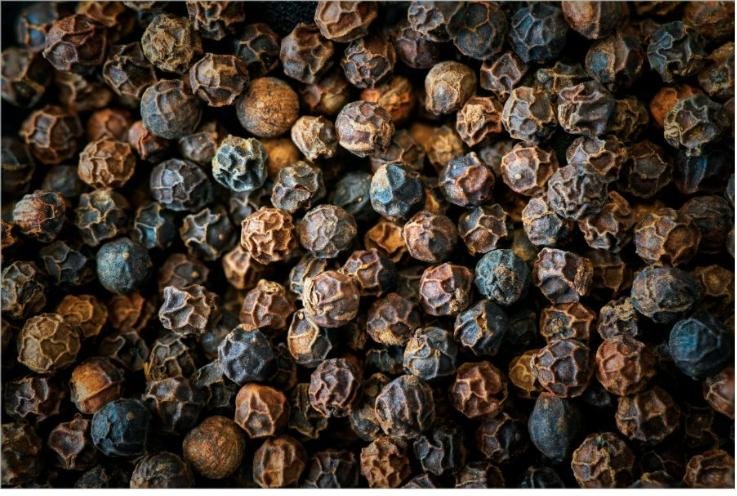
How to Export Black Pepper from India
Quick Summary
To export black pepper from India, you must: register for an Import-Export Code (IEC) with DGFT, source quality pepper from Kerala/Karnataka/Tamil Nadu, obtain FSSAI and Spice Board certifications, find international buyers through B2B platforms, prepare export documentation, and arrange shipping via sea or air freight.
The Market Opportunity
India controls approximately 2,968 registered black pepper exporters serving over 10,600 international buyers across 120+ countries. The export sector generates roughly "$300 million USD annually," with current supply shortages driving prices up by 20-25% to $8,500-$9,000 per ton.
Top Importing Countries
The United States, Germany, and the UAE together account for over 40% of global black pepper imports. Other significant markets include Japan, Canada, France, Vietnam, Saudi Arabia, Netherlands, and the United Kingdom.
Step-by-Step Export Process
Step 1: Register for Import-Export Code (IEC)
- Apply online at DGFT e-Marketplace Portal
- Register with your PAN (Permanent Account Number)
- Processing time: 2-3 working days
- Cost: Free
Step 2: Register with Spice Board/APEDA
- Submit online RCMC application at DGFT
- Fee: Approximately ₹5,000-₹11,000 annually
- Processing: 5-7 working days
- Critical for international buyer credibility
Step 3: Obtain FSSAI License
- Required for all food product exports
- Cost: Approximately ₹10,000 depending on scale
- Processing: 10-15 days
- Proves compliance with Indian food safety standards
Step 4: Get Plant Quarantine Certificate
- Request inspection from Plant Quarantine Department
- Confirms product is pest-free
- Usually minimal or included in government fees
- Essential for developed country markets
Black Pepper Types for Export
Whole Black Pepper (Premium) - Best for gourmet markets and premium restaurants - Pricing: $8,500-$9,500 per ton - Varieties include Tellicherry (largest berries, highest quality) and Malabar grades
Ground Black Pepper - Suitable for food processing and industrial buyers - Pricing: $8,000-$9,000 per ton - Available in various mesh sizes (16, 20, 40 mesh)
Organic Black Pepper - Commands 30-50% premium over conventional - Pricing: $11,000-$13,500 per ton - Requires recognized organic certification
Cracked Black Pepper - For specialty food manufacturers - Pricing: $8,000-$9,000 per ton - Growing niche demand
Quality Standards Required
Physical Standards
- Moisture content: Maximum 13%
- Foreign matter: Less than 1%
- Color: Dark black, uniform throughout
- Size uniformity: Consistent sizing for graded varieties
Chemical Standards
- Piperine content: Minimum 5-6% (the compound providing pepper's pungency)
- Essential oil: 1-3% for aroma
- Volatile oil: Required for flavor profile
Microbiological Standards
- Total plate count: Less than 10⁵ CFU/gram
- E. coli: Must be absent
- Pesticide residues: Must comply with EU (0.01 ppm) or US (0.05 ppm) standards
- Heavy metals: Lead <0.1 ppm, Cadmium <0.05 ppm
Essential Export Documentation
Pre-Export Documents
- IEC Certificate from DGFT
- Spice Board APEDA Registration Certificate
- FSSAI License
- GST Registration
- ICEGATE Registration
- Bank account with AD Code for FOREX payments
Per-Shipment Documents
- Commercial Invoice (transaction details and pricing)
- Packing List (contents, weight, packaging details)
- Certificate of Origin (proves country of origin)
- Phytosanitary Certificate (confirms pest-free status)
- Bill of Lading/Airway Bill (proof of shipment)
- FSSAI Health Certificate (product safety compliance)
Optional but Often Required
- Quality Inspection Certificate with third-party testing
- Organic Certification (for organic products)
- Lab Report showing piperine content and test results
- Fumigation Certificate (if specifically requested)
Complete Export Timeline
Week 1-2: Sourcing - Contact suppliers in Kerala, Karnataka, or Tamil Nadu - Request samples and quality certifications - Current pricing: ₹30,000-₹40,000 per quintal ($360-$480 USD) - Verify supplier APEDA registrations
Week 2-3: Quality Verification - Conduct third-party lab testing - Test for piperine content, moisture, pesticide residues, and microbiological standards - Cost: ₹3,000-₹5,000 per batch
Week 3-4: Bulk Purchasing & Processing - Purchase full containers (20-40 tons) based on buyer orders - Arrange transport and processing - Timeline: 1-2 weeks
Week 4-5: Documentation & Compliance - Prepare commercial invoice and packing list - Request Plant Quarantine Certificate - Cost: ₹2,000-₹5,000
Week 5-6+: Shipping & Logistics - Book container with shipping company - Clear customs (typically 2-3 days) - Sea freight: $3,000-$5,000 per 20-ton container - Air freight: $8-$12 per kg - Sea transit time: 30-45 days
Finding International Buyers
B2B Export Platforms
- ExportBusinessMart: Indian platform with verified importers
- Alibaba: Global reach with higher competition
- TradeIndia: Indian exporters and importers
- Global Sources: Spice-focused sections available
- Trade King: B2B directory with verified buyers
Trade Shows & Export Fairs
- World Spice Congress
- SIAL Paris and SIAL India
- Anuga Cologne (Germany food trade fair)
- BioFach (organic food trade show)
- Regional spice expos in Kerala and Karnataka
Direct Outreach Strategy
- Research importers in target countries
- Find email addresses via LinkedIn and company websites
- Send personalized introduction emails with certifications and samples
Export Data Resources
- Exim Infotech: Indian export-import data
- TradeKey: Global trade database
- Kompass: B2B directory with company details
- Panjiva: Shipment tracking to identify actual buyers
Profitability Analysis
Small-Scale Export (5 tons monthly)
- Source cost per ton: $7,500
- Export price per ton: $8,700
- Gross per ton: $1,200
- Monthly shipping: -$1,000
- Documentation & testing: -$1,500
- Broker/customs: -$500
- Packaging/miscellaneous: -$1,000
- Net monthly profit: $2,000 (approximately ₹1,65,000)
Medium-Scale Export (20 tons monthly)
- Source cost per ton: $7,500
- Export price per ton: $8,700
- Gross per ton: $1,200
- Monthly shipping: -$3,000
- Documentation & testing: -$2,000
- Broker/customs: -$1,000
- Packaging/miscellaneous: -$2,000
- Net monthly profit: $16,000 (approximately ₹13,20,000)
Major Challenges
Price Volatility Weather patterns and global market movements cause significant price fluctuations. Prices increased 20-25% in 2025 but could drop similarly if production recovers.
Quality Consistency Different batches from various farmers vary in piperine content, moisture levels, and appearance. International buyers reject inconsistent batches.
Logistics & Shipping Costs Shipping comprises $150-$250 per ton in costs, directly impacting margins. Container prices fluctuate 20-40% monthly.
Documentation & Regulatory Compliance Missing any required documentation stops shipments at ports. Using a customs broker costs ₹5,000-₹15,000 per shipment but prevents costly delays.
Finding and Managing Buyers Building buyer relationships requires 6-12 months. Many importers demand credit terms (Net 30-60 days) rather than prepayment.
Startup Capital Requirements
Minimum Viable Setup
- ₹5,00,000 total ($6,000 USD)
- IEC/APEDA: ₹50,000
- Initial stock (1-2 tons): ₹3,00,000
- Documentation/testing: ₹50,000
- Contingency: ₹1,00,000
Comfortable Start
- ₹20,00,000 total ($24,000 USD)
- Supports 5-ton bulk orders
- Multiple shipment buffer
- Better supplier pricing leverage
- Professional presentation materials
Timeline to First Order
- Months 0-2: Registration setup and sample sourcing
- Months 2-4: B2B platform networking and trade show participation
- Months 3-6: Initial inquiries arrive
- Months 4-6: First order negotiation and completion
Realistic expectation: 4-6 months for first order under normal circumstances
Frequently Asked Questions
Q: What's the difference between Tellicherry and regular black pepper?
A: Tellicherry peppers are larger (5-6mm), darker, more aromatic from extended vine ripening. They sell at premium prices ($9,000-$10,000 per ton) preferred by high-end markets.
Q: Is organic black pepper export more profitable?
A: Yes—organic sells 30-50% higher ($11,000-$13,500 per ton). However, certification requires upfront investment and longer supply chain development.
Q: Can I export from home?
A: Yes, you can operate from home legally. You need IEC and APEDA registration (possible with home address), though a small warehouse improves professional credibility.
Q: What is piperine and why does it matter?
A: Piperine is the alkaloid giving pepper its pungency. International buyers test for minimum 5-6% content—higher piperine indicates proper ripeness, adequate drying, and overall quality.
Q: What's the typical minimum order size?
A: Premium/boutique buyers: 500 kg–2 tons; medium importers: 2-5 tons; large distributors: 10+ tons; food manufacturers: 20+ tons.
Q: How do I handle quality disputes with buyers?
A: Prevent issues through pre-shipment third-party inspection. If disputes arise, request counter-inspection; if results differ, use independent third lab (cost shared). Cargo insurance covers some disputes.
Contact Information
Spice Of Indian Export Team - Phone: +91 81290 50134 - Email: [email protected] - Hours: Monday–Saturday, 9:00 AM–6:00 PM IST
Office Locations: - Mumbai: 401, 4th Floor, Kalpataru Prime, Ambica Nagar, Wagle Estate, Thane (W) - 400602 - Kerala: Ground Floor, Devadeyam Tower, Plot No 1, Kangarapadi-Medical College Rd, Kalamassery, Kochi, Kerala 682021
Have a question about sourcing this from India?
Request a Quote