Learn how to export organic chilli to Europe - SpiceOfIndian
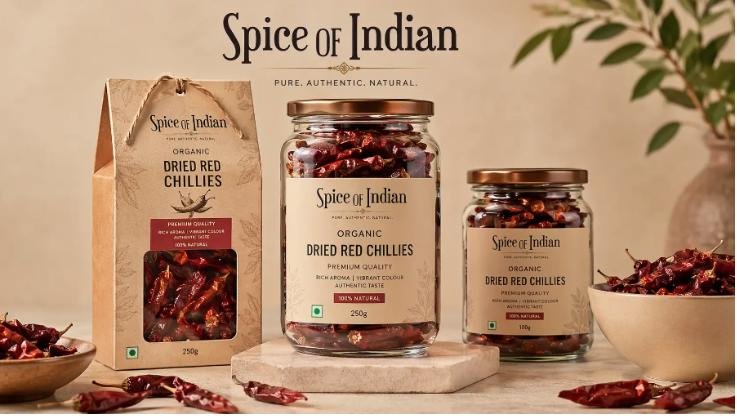
Guide to Export Organic Chilli to Europe
The European Union (EU) has rapidly become one of the most lucrative yet demanding markets for organic spices. Among them, organic chilli stands out as a high-growth product driven by consumer demand for clean-label, pesticide-free food.
But exporting chilli to Europe isn't just about supply—it's about precision, compliance, and credibility.
If you're planning to enter or scale in this space, this guide breaks down:
- Latest EU market trends
- Revenue potential
- Mandatory lab testing standards
- Certifications required
- Risk factors and how to avoid rejection
📈 Why Export Organic Chilli to Europe Is Booming
🔥 1. Shift Toward Organic & Clean-Label Food
European consumers are increasingly rejecting chemically treated food. This has created strong demand for:
- Organic-certified spices
- Residue-free chilli
- Traceable farm-to-fork products
Organic chilli exporters can command 20% to 50% higher prices compared to conventional produce.
🌍 2. High Entry Barriers = Less Competition
Strict EU regulations have led to:
- Frequent shipment rejections
- Fewer compliant exporters
This creates a premium opportunity for serious players who invest in compliance and quality systems.
🧂 3. Demand for Value-Added Chilli Products
The EU market is no longer focused only on raw dried chilli.
High-demand segments include:
- Chilli powder (retail-ready)
- Chilli flakes
- Oleoresin extracts
- Private label spice brands
👉 Exporters who move up the value chain earn significantly higher margins.
🌱 4. Sustainability & Traceability Are Now Mandatory
European buyers expect:
- Full traceability (farm-level data)
- Ethical sourcing practices
- Sustainability reporting
If you cannot show where and how your chilli is grown, you will struggle to enter this market.
💰 Revenue Potential: How Much Can You Earn?
Let's talk numbers while export Organic Chilli to Europe—because this is where most exporters underestimate the opportunity.
💵 Average Export Pricing
- Organic dried chilli: €3.5 – €6 per kg
- Premium retail-ready products: €8 – €12 per kg
🚢 Revenue Per Container
- 20-ft container capacity: 12–14 tons
- Revenue range:
👉 €42,000 – €168,000 per container
📊 Annual Revenue Scenarios
Small exporter (20 containers/year):
- €800,000 – €2 million
- ₹7 crore – ₹18 crore
Mid-scale exporter (50–100 containers/year):
- ₹30 crore – ₹100 crore+
💡 Key Insight
This is not a volume game.
👉 Your profitability depends on:
- Organic certification
- Low rejection rate
- Direct EU buyers (cutting intermediaries)
🧪 EU Lab Testing Requirements to Export Organic Chilli to Europe: The Real Gatekeeper
Most exporters fail here—not in farming or logistics.
EU regulations are extremely strict to export Organic Chilli to Europe, and lab testing is non-negotiable.
🧬 1. Mycotoxins (Critical Control Point)
- Aflatoxin B1: ≤ 5 µg/kg
- Total aflatoxins: ≤ 10 µg/kg
- Ochratoxin A: ≤ 15 µg/kg
👉 This is the #1 reason for shipment rejection.
🧪 2. Pesticide Residue (MRL Compliance)
- Standard limit: 0.01 mg/kg
- 200+ chemicals screened
Common banned residues:
- Chlorpyrifos
- Carbendazim
- Acephate
👉 Even trace amounts can lead to rejection.
🧫 3. Microbiological Safety
- Salmonella: Must be absent
- E. coli: Not permitted
- Yeast & mold: Controlled levels
⚗️ 4. Heavy Metals
- Lead, cadmium, arsenic, mercury
- Strict trace limits
🧯 5. Chemical Contaminants
- PAHs (carcinogenic compounds) strictly regulated
📊 6. Physical & Quality Parameters
- Moisture: <10–12%
- Foreign matter: <1%
- Color value (ASTA)
- Pungency (Scoville Heat Units)
📜 Certifications Required for Export Organic Chilli to Europe
🟢 Mandatory Certifications to Export Organic Chilli to Europe
- EU Organic Certification
- Phytosanitary Certificate
- Certificate of Analysis (COA)
- IEC (Import Export Code)
- APEDA / Spices Board Registration
🟡 Strongly Recommended Certifications
- ISO 22000 or HACCP
- BRCGS / IFS (required by major retailers)
- GlobalG.A.P (farm compliance)
- Fairtrade / Rainforest Alliance
👉 Many EU buyers will not onboard suppliers without these.
⚠️ Common Export Risks (And How to Avoid Them)
🚫 Top Reasons for Shipment Rejection
- Aflatoxin contamination
- Pesticide residue above limits
- Salmonella detection
- Incorrect labeling or traceability gaps
💥 Impact of Rejection
- Entire container destroyed or returned
- Financial loss in lakhs/crores
- Export ban or increased scrutiny
✅ How to Avoid These Risks
- Use ISO 17025 accredited labs
- Implement controlled drying systems
- Conduct multi-stage testing (pre & post shipment)
- Build traceable supply chains
🚀 Digital Marketing Strategy for Organic Chilli Exporters
This is where most exporters fall behind.
🎯 Positioning That Works
Instead of selling chilli, position yourself as:
👉 "EU-compliant organic chilli supplier from India"
🌐 Channels That Drive Buyers
- LinkedIn (B2B outreach to importers)
- Alibaba / B2B marketplaces
- Direct email campaigns
- Trade fairs (Anuga, SIAL)
📢 Content That Builds Trust
Publish:
- Lab test reports
- Certification proof
- Farm traceability stories
- Processing videos
👉 Transparency converts into long-term contracts.
🧠 Final Thought: This Is No Longer a Commodity Business
Export chilli to Europe is not about being the cheapest supplier.
It's about being:
- Compliant
- Certified
- Consistent
- Transparent
👉 The exporters who understand this are building ₹50 crore+ businesses, while others struggle with rejections.
📌 Conclusion
The EU organic chilli market offers massive revenue potential, but only for exporters who take compliance seriously.
If you:
- Invest in certifications
- Maintain strict lab standards
- Build direct buyer relationships
👉 You're not just exporting chilli—you're building a premium global brand.
Read our complete guide on exporting Green Cardamom to Europe to understand requirements, regulations, and best practices.
Have a question about sourcing this from India?
Request a Quote